About
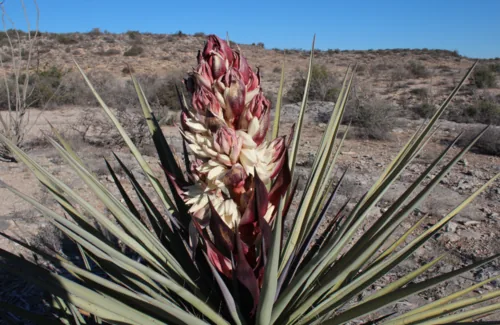
Century plant is the meme agave: rosette for years, then one absurd flowering spike, then the rosette dies like it finished the boss fight. Sap can irritate skin; spine tips file human stupidity down to the bone. Edible use centers on roasted hearts and careful processing traditions — not random backyard tequila fantasies without permits and sense. In subtropical and tropical Americas it grows bold until a wet winter tries to rot the crown; drainage is non-negotiable. Full sun and lean, gritty, well-drained soil; wet clay is a death sentence with extra drama. Extremely drought-tolerant once established; summer rain is fine if soil sheds water fast. Cold: dry cold tolerates better than cold + wet. Pups: remove offsets when roots have started; let cuts callus before potting. Bulbils on inflorescence (species/clone dependent) can be rooted when present. Piña harvest is a years-long commitment -- mark planting dates and size targets before you commit tools. Cut leaves close to the core with sharp pikes; sap irritates skin for many people -- gloves and eye sense. After harvest, dry or cook processing lines matter as much as field timing; sweet agave work is not a midnight whim.
Permaculture Functions
- Edible: pit-roasted hearts become traditional sweet agave foods only where harvest law and cultural permission align -- raw sap irritates skin and uncooked core is not casual food.
- Fiber: fleshy leaves yield sisal-class fiber after scraping, retting, and beating steps that desert cultures used for cordage -- before synthetic rope replaced agave processing labor.
- Ornamental: blue-gray rosettes with terminal spines give sculptural xeric focal points along berms and parking islands -- where drainage stays sharp enough to avoid crown rot.
- Erosion Control: adventitious roots grip fractured limestone and decomposed granite slopes -- where shallow soil would slip under summer storms without living anchors holding rock plates.
- Mulcher: trimmed leaves add slow-decaying litter to dry guild mulch when spines are shaved or burned off gloves-first -- heavy spines mean chop-and-drop stays a tool job, not barefoot whimsy.
Companion Planting
Also mentioned as companions:
- Desert spoon
- Low sedums
Not yet profiled in PermiePortal
- Shade and irrigation addiction
- High-traffic paths (spines)
Threats & Pressure