About
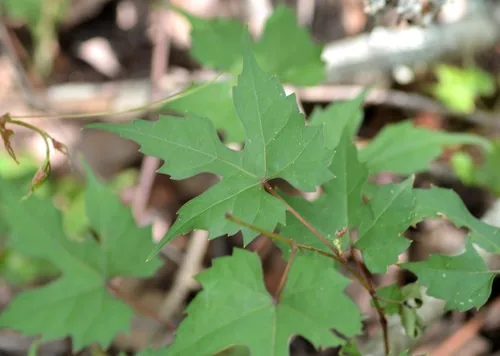
Catbird grape (Vitis aestivalis), widely known as summer grape, is a native North American grapevine of woodland edges, riverbanks, and fence rows, climbing high into trees with forked tendrils and broad, often wooly-backed leaves. Small dark berries ripen in clusters in late summer, tart with a foxy aroma, useful for jelly and wine for patient processors. Vines can run 30–50 feet (9–15 m) or more, so site them on sturdy arbors or living trees you accept shading. Full sun to partial shade; heaviest fruiting in high light. Moist, fertile, well-drained soils yield best; tolerates periodic flooding on banks once established. Drought reduces berry size; mulch conserves soil moisture. Hardwood cuttings in late winter, dormant grafting onto rootstocks for cultivar work, or layering long canes. Seedlings are highly variable—clone good wild vines if you find exceptional fruit. Pick when clusters soften slightly and color deepens—taste tests beat calendar dates. Process within days into jelly, juice, or small-batch wine; birds begin audits as soon as sugar rises.
Permaculture Functions
- Edible: small dark clusters yield foxy tart juice and jelly after straining seeds and skins -- that never pretend to be seedless table grapes.
- Wildlife Attractor: flowers open small greenish clusters for native bees -- while ripe fruit draws catbirds, raccoons, and wasps unless clusters are netted at sugar rise.
- Shade Provider: long canes lace cattle panels or porch arbors to cast moving green shade -- over patios and livestock pens in humid eastern summers.
- Erosion Control: woody roots grip riparian silt and road-cut talus -- when the vine is allowed to climb dead trees or posts instead of smothering valued canopy specimens.
Companion Planting
Also mentioned as companions:
- River Birch
Not yet profiled in PermiePortal
- Tree girdling — unmanaged vines can shade and weight-break canopy trees you value
- Japanese Beetles — skeletonized leaves are common in outbreak years