About
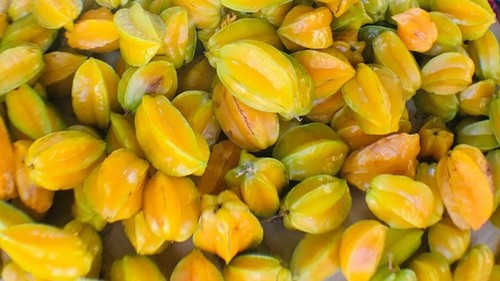
Carambola or star fruit (Averrhoa carambola) is a small evergreen to semi-deciduous tropical tree grown for crisp, ribbed yellow fruit that slices into stars, with flavor ranging from tart to sweet depending on cultivar and ripeness. It typically reaches 20–35 feet (6–10.5 m) with a rounded crown and compound leaves sensitive to wind desiccation. In humid subtropical and tropical home orchards it is a high-visual crop—plan for oxalate sensitivity in diets and for fruit drop if you park beneath the canopy. ☀️💧 Sun and Water Requirements: Full sun for heaviest flowering and fruiting; young trees benefit from wind protection. Prefers deep, fertile, well-drained soils with steady moisture during fruit expansion; drought during sizing causes fruit split and drop. Protect from frost; damage begins not far below 32°F (0°C) on tender growth. ✂️ Propagation: Graft named cultivars for sugar balance and productivity; seedlings vary wildly. Air-layer proven limbs in warm, humid weather. Prune to open the center for light and air—dense twig clouds invite sap feeders. 🌾 Harvest / Best Use Timing: Pick when ribs yellow and fruit yields slightly—green fruit stays tart for cooking; overripe fruit loses texture fast. Slice crosswise for the star gimmick; process extras into dehydrator sheets before fruit flies charter a convention.
Permaculture Functions
- Edible: Fruit eaten fresh or cooked; sweetness depends on cultivar and ripeness stage.
- Ornamental: Symmetrical form and glossy foliage suit edible landscaping in frost-free climates.
- Shade Provider: Modest canopy shades understory herbs during wet season push growth.
- Wildlife Attractor: Flowers and ripe fruit engage insects and frugivores where allowed.
- Pollinator: Clusters of small flowers draw generalist pollinators during warm months.
Practitioner Notes
- Sweet cultivars exist—seedling fruit can punish you for optimism.
- Wind-torn leaves look like disease; fix exposure before spraying folklore fungicides.
- Fruit fly monitoring beats surprise maggot arcs—clean drops weekly in hot weather.
- Container culture in marginal zones is a commitment, not a weekend whim—winter moves get old.
Companion Planting
- Lemongrass — clumping edge herb tolerates tropical sun at the dripline
- Papaya — uses early vertical light differently while carambola develops scaffold
- Turmeric — rhizomes on partial-shade flank with mulch where irrigation is consistent
- Kidney risk for oxalate-sensitive individuals — medical guidance overrides foodie hype
Pest Pressure