About
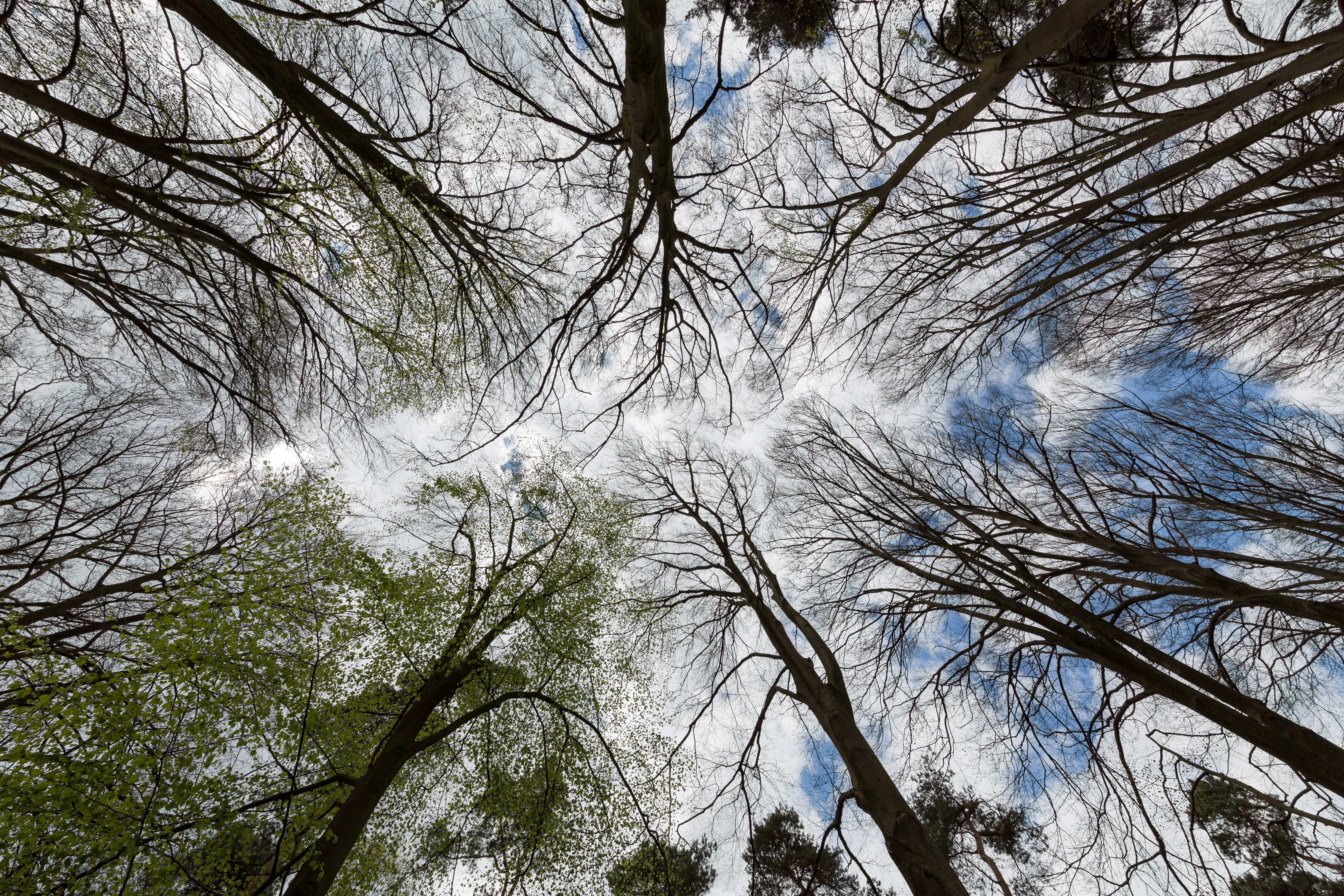
This is a design-layer cheat code, not one species. **Canopy trees** are the tall, long-term framework—oaks, pecans, mulberries, mangos, pines, sugar maples, depending on climate—whose crowns catch sun first and set the microclimate for everything below. In practice you might stack live oak, pecan, longleaf pine, sugarberry, or tropical fruit overstory depending on soil, fire history, and frost regime. The job is the same: shade, wind reduction, vertical structure, and habitat. ☀️💧 Sun and Water Requirements: Full sun for the crown; roots need deep, uncompacted soil with reasonable drainage. Irrigation is for establishment—mature canopy species should not need a soaker hose life support plan. ✂️ Propagation: N/A for the abstract layer—pick real species entries for seed, grafting, or transplant details. Here you are planning spacing, not germinating a concept tree. 🌾 Harvest / Best Use Timing: N/A at the layer level—timber, mast, and fruit harvest follow each real species profile you plant.
Permaculture Functions
- Shade Provider: Sets light levels for understory fruit, shrubs, and ground covers.
- Windbreaker: Buffers wind for tender plants and stabilizes field microclimate.
- Wildlife Attractor: Houses birds, epiphytes, and canopy-linked habitat.
- Timber: Supplies long-rotation wood where species and ethics match the plan—skip this layer and the system reads like a sunny vegetable lot with delusions.
Practitioner Notes
- Mix species and ages so one pest or storm does not flatten the whole upper story—monoculture canopies are brittle design.
- Mulch to the dripline, not against bark volcanoes—stem rot from “helpful” piles kills faster than borers some years.
- Scaffold pruning on young trees beats storm surgery on mature ones—wide crotch angles now save chainsaw drama later.
- Learn each species’ root footprint before placing water lines and septic—what looks cute at five gallons becomes infrastructure at forty years.
Companion Planting
- Pawpaw
- Elderberry
- Beautyberry
- Muscadine
- Planting spindly understory directly under aggressive surface roots without plan
Pest Pressure