About
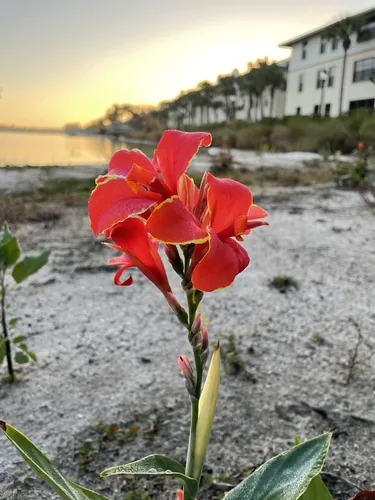
Garden cannas are hybrids — big leaves, loud flowers, and rhizomes some cuisines use as starch after proper handling (variety and prep matter; do not freestyle without a recipe from a culture that actually eats them). In subtropical and tropical Americas they are bulletproof summer drama; freezes kill tops, rhizomes often survive with mulch. Full sun for best bloom; light shade yields taller leaves, fewer flowers. Loves moisture — pond edges, rain gardens, or thirsty beds; tolerates average soil if watered. Divide rhizomes in spring when shoots appear. Seeds are possible but variable; divisions keep named colors true. Ornamental default is fine; edible use is for homework completers. Canna Lily: dig tubers or roots after tops senesce or frost signals storage shift -- curing a few days at 50-60°F (10-16°C) sweetens some starches. Loosen soil wide first -- snapped necks invite rot in storage. Brush-dry before long storage; plastic totes without airflow grow penicillin cosplay.
Permaculture Functions
- Edible: rhizomes of selected starchy lines become food after thorough cooking like other canna starches -- ornamental hybrids need explicit cultivar confirmation before tasting.
- Ornamental: pushes huge paddle leaves and gaudy spikes that read tropical formal or utilitarian wet ditches depending -- on spacing, mulch, and paint choices.
- Mulcher: Frost-blackened leaves collapse into heavy wet-season biomass for compost bins -- when cut at the crown after tops die in cool zones.
- Wildlife Attractor: Tubular flowers on fertile clones feed hummingbirds probing for nectar -- while dense stems shelter skinks at the soil line in humid gardens.