About
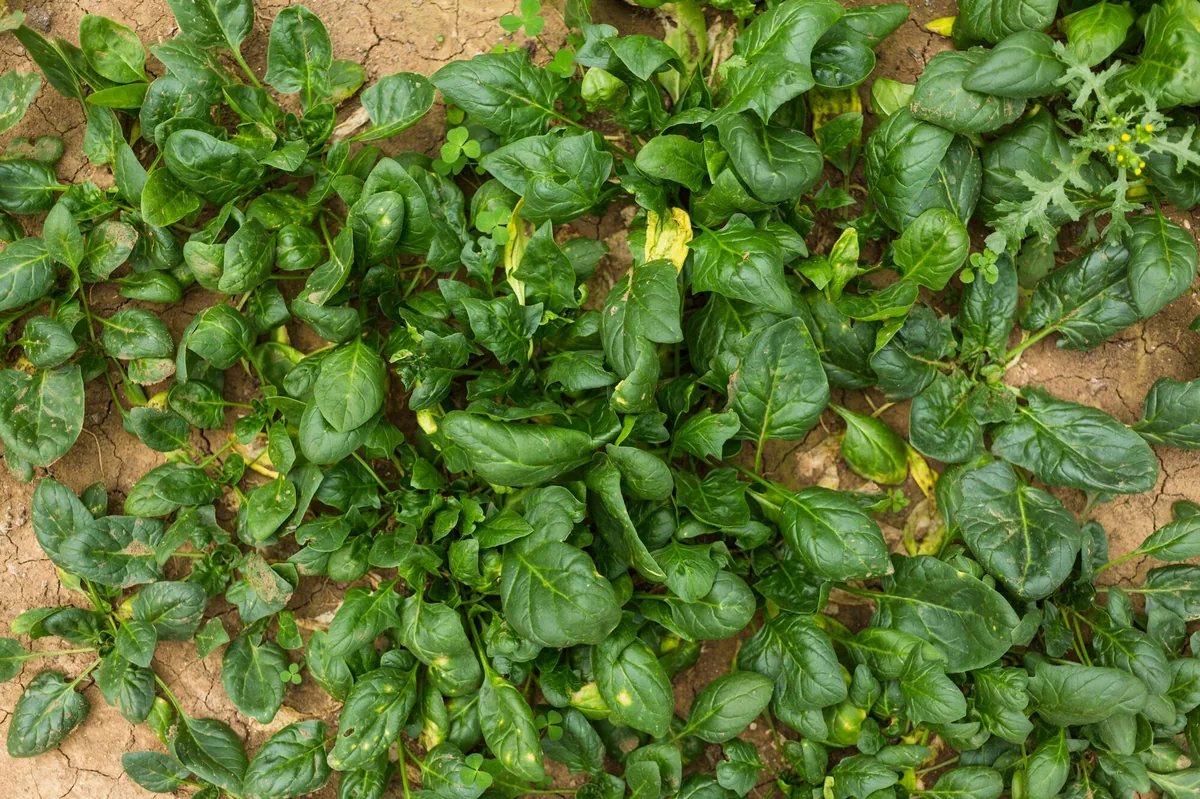
Brazilian Spinach (*Alternanthera sissoo*) is a hardy, perennial leafy vegetable native to Brazil. It forms a neat mound approximately 30 centimeters (1 foot) high, rather than spreading in a mat. The plant features mid-green, round, crinkled leaves and produces small, white, insignificant flowers. It thrives in tropical and subtropical climates, preferring moderate to rich loamy soils and tolerating partial shade. Its dense growth habit makes it an excellent ground cover, suppressing weed growth effectively. Prefers partial shade, thriving in at least 4 hours of indirect sunlight. It can tolerate 2-6 hours of direct sunlight but may develop smaller leaves and be prone to wilting under intense heat. Requires well-drained soil rich in organic matter to prevent root rot. Regular watering is essential to maintain soil moisture, especially during dry periods. Propagated easily through stem cuttings, as the plant does not produce viable seeds. Cuttings 15-20 centimeters long can be planted three to four per hole. Strip the leaves off the bottom half of the stems, bury them to half their length in moist soil, and keep them well-watered until established. Leaves can be harvested at any time using the cut-and-come-again method. Regular pruning encourages bushier growth and maintains plant health. Harvesting young, tender leaves is recommended for the best flavor and texture.
Permaculture Functions
- Edible: Alternanthera sissoo leaves stay crunchy steamed or chopped into soup, without the okra slime that turns off kids -- when you call it spinach.
- Ground Cover: Mounding 30 cm clumps shade soil between taro and cassava -- slowing evaporation on tropical beds where you already irrigate on a timer.
- Mulcher: Weekly tip harvest sends a steady stream of soft green chop -- to compost or poultry runs, cycling potassium from deep roots faster than lettuce stumps.
- Wildlife Attractor: White umbels are inconspicuous but still pull small parasitic wasps into the understory -- if you delay mowing edges until after bloom.
Companion Planting