About
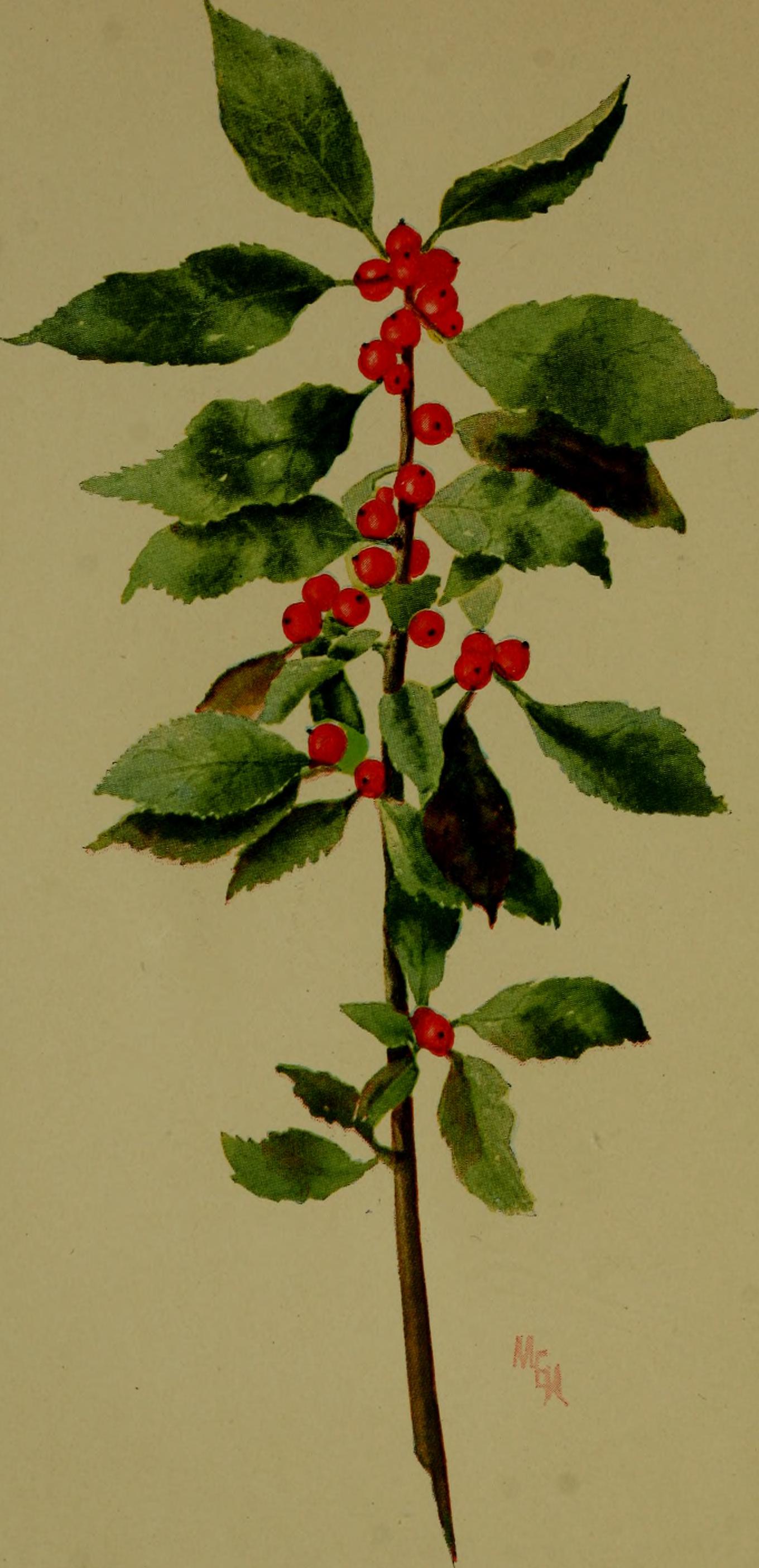
Autumnberry (Elaeagnus umbellata) is a deciduous to semi-evergreen shrub native to East Asia, widely introduced elsewhere. Silvery-scaled leaves, fragrant cream-to-yellow flowers, and speckled red berries on thorny branches are the field marks; plants commonly reach roughly 10–16 feet tall and spread by seed and suckers where climate allows. In subtropical and tropical Americas it behaves as a warm-climate shrub—berries ripen with summer-to-fall timing depending on latitude; humid air is normal. Check local regulations before planting: it is regulated or banned in multiple U.S. states because of invasive spread in disturbed lands—this entry describes biology, not a planting endorsement. ☀️💧 Sun and Water Requirements: - Full sun for heaviest fruiting; tolerates partial shade with fewer berries. - Adaptable soil if drainage exists; drought-tolerant once established—over-irrigation just grows more pruning homework. ✂️ Methods to Propagate: - Seeds: cold stratify, sow in spring; birds will happily assist if you let them—hence the regulatory drama. - Hardwood cuttings in dormant season or softwood in early summer with humidity domes—useful only where legal and ethical. 🌾 Harvest / Best Use Timing: - Pick berries when fully colored and slightly soft; astringency varies—jams and ferments hide sins of timing. - Prune after fruit if you are managing size; spring pruning removes flower wood—pick your religion.
Permaculture Functions
- Where permitted, autumnberry is a fruiting nitrogen-fixing shrub for marginal ground.
- Edible: Berries are tart-sweet with lycopene chatter—kitchen processing beats raw face-puckering.
- Nitrogen Fixer: Actinorhizal roots enrich poor soils for neighboring plants at the margin.
- Wildlife Attractor: Birds spread seed—great for habitat, terrible for invasive optics; design with eyes open.
- Erosion Control: Aggressive roots stabilize cuts and banks that softer plants abandon.
- Border Plant: Thorny habit defines edges—livestock and neighbor diplomacy required.
Practitioner Notes
- Nitrogen fixation shows as faster green growth on poor subsoil—still verify legality before using it as a “soil builder” on open land.
- Fruit pulp separates from large seeds easily after simmering—raw nibbling is mealy compared with cooked preserves.
- Mowing seedlings stops most spread along paths; missed volunteers turn thorny within one season.
Companion Planting
- Raspberry — shares bramble energy at a woodland edge; stagger pruning and trellis to reduce chaos.
- Elderberry — complementary fruiting timeline and pollinator overlap if space allows both thugs.
- Comfrey — chop-and-drop mulch feeds the understory without pretending to fix nitrogen for the elaeagnus.
Pest Pressure