About
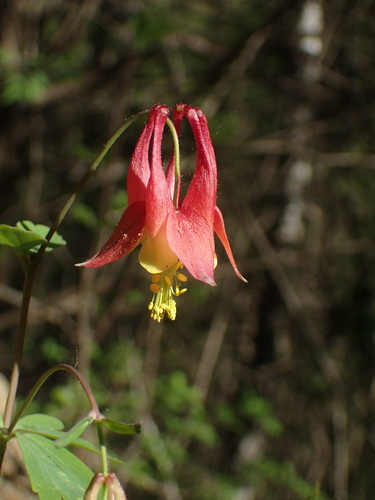
Eastern columbine (Aquilegia canadensis) is a short-lived perennial of woodland edges, cliffs, and lean rocky soils in eastern North America, famous for nodding red and yellow spurred flowers adapted to hummingbirds and long-tongued insects. Mature height is usually 1–2 feet (0.3–0.6 m) in bloom with delicate blue-green compound leaves. It self-sows politely in gravel and rude in rich beds, making it ideal for naturalistic plantings and shaded rain gardens with drainage. ☀️💧 Sun and Water Requirements: Part shade to dappled sun in most climates; cooler regions tolerate more sun if soil moisture exists. Well-drained soils are essential—columbines rot in soggy clay that pretends to be a rain garden. Mulch lightly with compost, not buried stems. ✂️ Propagation: Sow fresh seed outdoors; self-sown volunteers often outperform fussed-over trays. Divide mature clumps sparingly—taproots resent disturbance. Collect seed when capsules split if you want controlled placement next season. 🌾 Harvest / Best Use Timing: Enjoy flowers in situ; cutting sparingly for small arrangements is fine if you leave plenty for pollinators. Deadhead if you dislike volunteers; stop deadheading if you want a drifting population. Replace aging plants every few years—this species is not immortal, just enthusiastic.
Permaculture Functions
- Pollinator: Tubular red flowers align with hummingbird bills and specialist long-tongued bees.
- Wildlife Attractor: Seeds feed small birds when capsules mature if cleanup is delayed.
- Ornamental: Airy foliage and pendant blooms soften rock walls and woodland margins.
- Medicinal: Historical Native uses exist—modern self-medication without expertise is a bad hobby.
Practitioner Notes
- Self-sowing is a feature until it is a weed—edit seedlings early if paths matter.
- Hybrids with garden columbines muddy local gene pools—keep natives away from flashy neighbors.
- Drought tolerance appears after roots find rock crevices—babies need kinder moisture.
- Hummingbirds do not read cultivar tags; red tubes are the actual invitation.
Companion Planting
- Blue Wild Indigo — deeper roots and contrasting bloom color without shading low columbine crowns
- Wild Blue Phlox — low spring color layer that shares partial shade without smothering crowns
- Serviceberry — small tree dappled shade that matches natural edge communities
- Leaf miners — cosmetic damage on leaves; rarely kills plants but offends tidy gardeners
- Wet heavy soil — crown rot ends the show before self-seeding can compensate
Pest Pressure