About
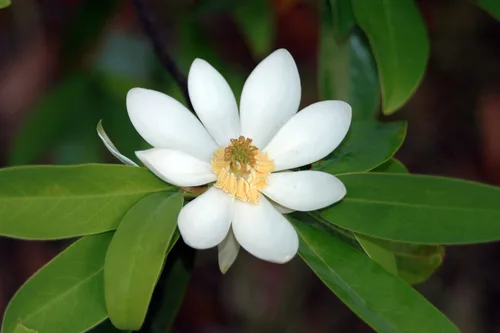
Swamp Bay (Persea palustris) is a useful perennial species in the Lauraceae family, native or long-naturalized across parts of the Americas and Eurasia depending on lineage. Mature growth is typically a tree form suited to layered guilds, with reliable productivity when site conditions match its ecology. In a permaculture system it contributes food, habitat, and system resilience rather than single-crop output. Best performance comes with full sun to light partial shade, depending on heat intensity. Keep soil moisture steady during establishment, then water by seasonal demand. Well-drained fertile soil works for most upland entries, while wetland species require saturated margins. Most growth accelerates between 65°F (18°C) and 92°F (33°C), with stress rising near 103°F (39°C). Direct seeding is the simplest method where climate allows; sow at the start of the local favorable season and keep the seed zone evenly moist through germination. A second pathway is transplanting nursery starts or divisions once roots are active and temperatures are stable. Woody entries can also be established from dormant bare-root stock or grafted material for cultivar reliability. Harvest edible portions at peak maturity for intended use: leafy crops before heat stress, fruiting types at full color, root crops after starch set, and nuts or grains once fully mature and dry. For ecological functions, the strongest value appears after canopy closure, flowering, and annual residue cycling, when soil cover and habitat effects become consistent.
Permaculture Functions
- Wildlife Attractor: Persea palustris glossy evergreen leaves shelter swallowtails -- while dark drupes feed swamp bears and rodents along Gulf coastal sloughs.
- Water Retention: Shallow rooting in anaerobic muck sponges surge water so detention basins patterned on bay swamps rebound -- between storms instead of flashing downstream.
- Ornamental: Silvery leaf undersides flash whenever humid breeze lifts canopies -- along boardwalk plantings meant to mimic natural bay heads.
Companion Planting
No companion data yet.
- Avocado - close planting increases shared laurel-family pest pressure.
- Buttonbush - thrives in wet margins and supports pollinators.
- Bald Cypress - shared tolerance for seasonal flooding in low sites.
- Pickerelweed - wet-soil ground layer that buffers erosion.