About
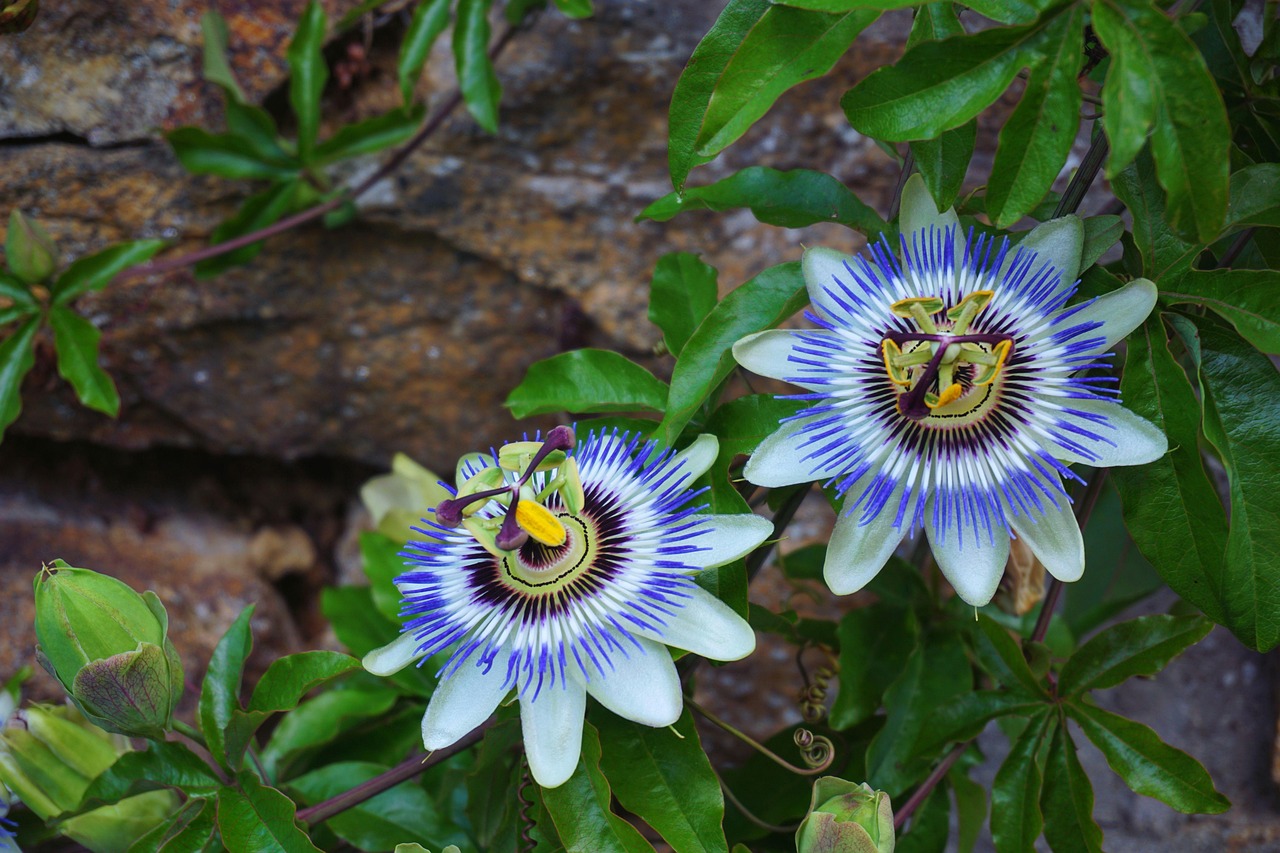
Purple Passionflower is a perennial vine native to the southeastern United States. It features intricate, fringed flowers about 7.6 centimeters (3 inches) in diameter, with bluish-purple filaments and pale petals. The plant can grow rapidly, reaching lengths of over 2 meters (6.5 feet), and spreads by root suckers. 🌞💧 Sun and Water Requirements: Prefers direct sunlight for at least half of the day and thrives in fertile, well-drained soils but can adapt to heavier clay soils. It is commonly found in open fields, rocky slopes, and along roadsides. In subtropical and tropical Americas it flowers heavily in warm months; Gulf fritillary larvae treat the foliage like a buffet, so plant extra if you want both fruit and butterflies. ✂️🫘 Methods to Propagate: Can be propagated from seeds or by cuttings. Seeds should be sown in well-drained soil and kept moist until germination. Cuttings can be taken during the growing season and rooted in a humid environment. 🧑🌾👩🌾 When to Harvest: Fruits, known as maypops, are typically harvested in late summer to early fall when they become yellowish and slightly soft. Leaves and stems for medicinal use should be harvested during the flowering period.
Permaculture Functions
- **Edible**: The fruits are edible and can be consumed fresh or used in jams and desserts.
- **Medicinal**: Traditionally used to treat anxiety, insomnia, and other ailments.
- **Wildlife Attractor**: Attracts bees, butterflies, and serves as a larval host plant for several butterfly species.
- **Ground Cover**: Its vigorous growth habit makes it effective as a ground cover to suppress weeds.
Practitioner Notes
- Morning picks hold turgor; afternoon heat steals shelf life even if the cooler feels honest.
- Label jars with plant part and date the day you seal—future you is not psychic.
- Shear ragged mats after heat waves; two weeks of ugly beats six months of thatch rot.
- Soil smell and root color tell more than gadget overload—dig a small hole twice a season.
Companion Planting
- Bee Balm
- Black-eyed Susan
- Pawpaw
Pest Pressure