About
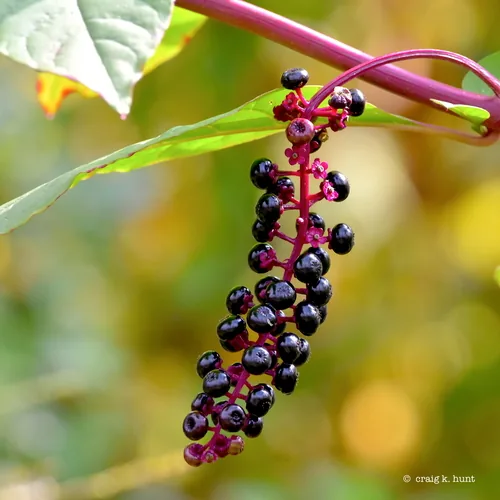
Inkberry (Ilex glabra) is a spineless evergreen holly valued in northeastern to mid-Atlantic landscapes as a native alternative to sheared exotic hedges, forming compact clones with glossy leaves and black berries that persist into winter on pollinated female plants. Ecologically it is the same species often called gallberry farther south—common names shift with latitude and beekeeper slang. It tolerates wet acidic soils, feeds birds when berries set, and asks only that you stop pretending alkaline urban fill is forest duff. Full sun to partial shade; densest habit in bright light with adequate moisture. Tolerates poorly drained acidic soils and periodic inundation in natural settings; in gardens, avoid droughty roof runoff without irrigation. Wind exposure desiccates foliage in winter—site with protection in coldest zones. Mulch roots; surface roots resent mower strikes. Softwood cuttings under mist root reliably in late spring. Suckering clones expand hedges—transplant suckers with roots in early spring. Prune after winter if shaping formal hedges; light renewal pruning keeps interior wood from going bare. For berries, plant a known male pollinator near female clones and skip heavy shearing that removes flowers.
Permaculture Functions
- Border Plant: Ilex glabra forms spineless, glossy hedges you can shear formal or leave loose -- evergreen screens along paths without holly blood tax on pruning day.
- Wildlife Attractor: Female clones hold black drupes into winter for mockingbirds and thrushes -- plant a known male within bee flight distance or berries stay hypothetical.
- Ornamental: Bottlebrush habit and dark leaves read native-modern in rain gardens -- pair with red-osier dogwood for winter color contrast on acidic soils.
- Erosion Control: Fibrous roots bind wet sandy banks and pond margins where intermittent inundation would rot dry-land shrubs -- mulch surface roots so mower decks stop scalping collars.
Companion Planting
Also mentioned as companions:
- Red Osier Dogwood
- Sweetfern
Not yet profiled in PermiePortal
- Grayanotoxins in leaves and berries—do not market as livestock forage or child-safe snacks
Threats & Pressure