About
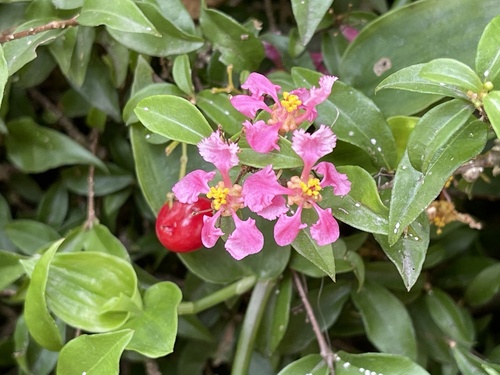
Indian cherry (Frangula caroliniana), widely known as Carolina buckthorn, is a deciduous shrub to small tree of moist woodlands, riverbanks, and limestone margins in the southeastern United States, with glossy leaves, inconspicuous flowers, and red to black berries that ripen for birds rather than human dessert platters. Some buckthorns are invasive elsewhere—this native species still demands positive ID before you plant because exotic Rhamnus cousins ruined the family photo. Use it in hedgerows, riparian buffers, and bird gardens where seasonal berries and fine branching beat lawn piety. ☀️💧 Sun and Water Requirements: Full sun to partial shade; tolerates moist, well-drained soils along streams and bottomlands. Drought tolerance is modest—mulch and occasional deep watering help young plants on upland transitions. Tolerates alkaline limestone soils better than many forest shrubs. Hardy through cool-temperate winters; late freezes can nip early flowers. ✂️ Propagation: Seeds cleaned and cold-stratified germinate over one to two seasons. Semi-hardwood cuttings under mist can clone known fruiting individuals. 🌾 Harvest / Best Use Timing: Berries are low-toxin for birds but not a recommended human snack—leave for wildlife. Prune in late winter to shape; avoid heavy summer cuts that stress drought-stressed plants.
Permaculture Functions
- Wildlife Attractor: Berries feed songbirds; branching provides nest sites in shrub thickets.
- Border Plant: Fine-textured deciduous screen along moist property lines and paths.
- Erosion Control: Fibrous roots stabilize riparian banks when planted in multispecies buffers.
- Ornamental: Glossy foliage and dark fruiting display read clean in naturalistic designs.
Practitioner Notes
- Glossy leaves and fine twigs are ID clues—if thorns appear, you are flirting with a different genus story.
- Birds spread seeds into restorations—site away from sensitive prairies if local ecologists raise eyebrows.
- Limestone tolerance helps in hill country; pure sand drought is still a stress exam.
- "Cherry" is common-name cosplay—fruit is bird candy, not pie theology.
Companion Planting
- Red Maple — shares moist edge ecology; staggered seasonal interest along swales
- Spicebush — aromatic understory shrub for layered bird habitat in hardwood draws
- River Birch — dappled light and exfoliating bark contrast with smooth buckthorn leaves at water edges
- Exotic invasive buckthorns (e.g., some Rhamnus species) are regulated in parts of North America—never substitute seed from uncertain sources
Pest Pressure