About
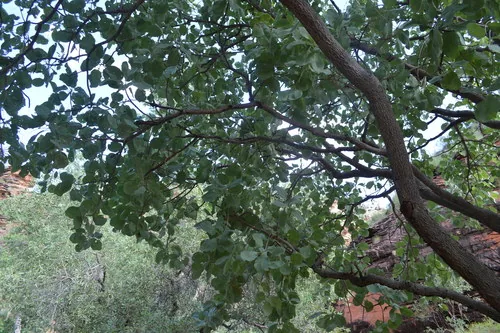
Goat plum (Terminalia ferdinandiana), widely known as Kakadu plum, is a semi-deciduous tree of northern Australian savannas and monsoon margins, bearing oval leaves, cream flower spikes, and pale green to yellow fruit famous for extreme vitamin C content. Cultivated specimens often reach 15–40 feet (4.5–12 m) with a spreading crown. It belongs in tropical dry-season/wet-season food systems where heat is reliable and frost is a rumor. Full sun for flowering and heavy fruiting; young plants appreciate partial shade during establishment in blazing sites. Deep sandy to loamy soils with good drainage; tolerates seasonal moisture swings typical of monsoon climates. Avoid waterlogged heavy clay that suffocates roots during wet periods. Sow fresh seed soon after cleaning; desiccated seed loses viability quickly. Select parent trees with known fruit quality if establishing orchards. Prune for a single leader in cyclone-prone regions to reduce wind sail. Commercial harvest timing follows local Indigenous protocols and fruit softening cues—respect cultural knowledge where it leads. Process fruit soon after picking for products that depend on vitamin stability. Protect young bark from machinery and livestock that treat trunks as scratching posts.
Permaculture Functions
- Edible: Terminalia ferdinandiana pale green-yellow drupes hit chart-topping vitamin C concentrates when processed quickly after harvest for bushfood products -- astringency drops as fruits soften on monsoon calendar cues Northern Australian growers already teach in field schools.
- Medicinal: Indigenous outer bark washes entered first-aid for skin irritation protocols now tied to triterpene chemistry -- commercial use still intersects Indigenous knowledge so partner agreements need reciprocal benefit clauses before you scale product lines.
- Wildlife Attractor: Cream flower spikes set fruit for native pigeons and flying fox networks across savanna corridors -- where seed dispersal still functions without cattle compaction mud on monsoon margins you fence differently from pivot-irrigation blocks downhill.
- Shade Provider: Wide crowns shelter young mango rows during dry season -- when solar load would otherwise sunscald bark on juvenile orchard trunks you underplanted with lemongrass perimeter markers instead of bare soil heat mirrors each afternoon.
Companion Planting
- Frost — not a subtropical poseur; cold snaps damage expanding shoots
- Biopiracy ethics — commercial use intersects Indigenous knowledge; partner fairly, not extractively