About
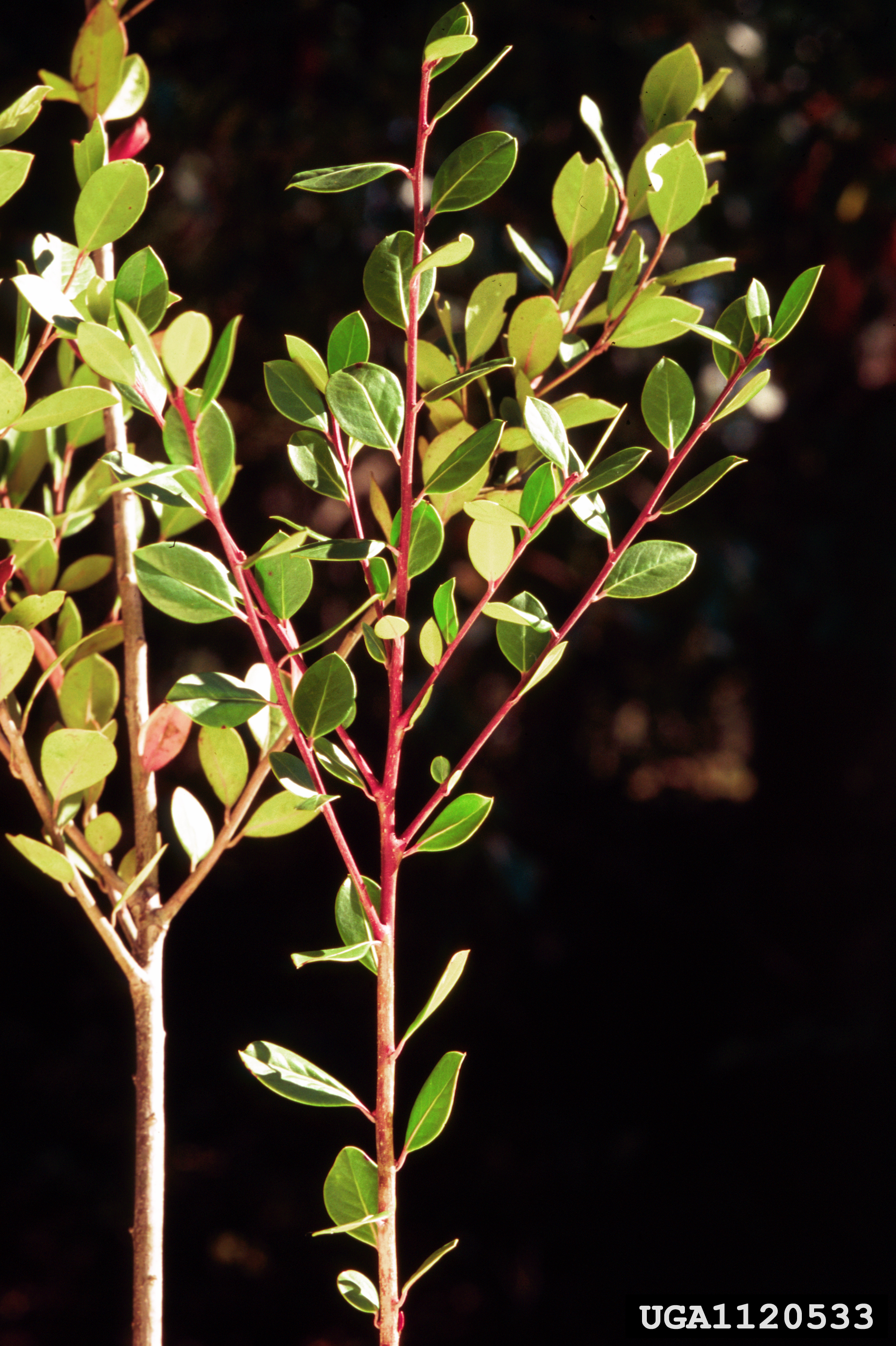
Gallberry (Ilex glabra) is an evergreen holly of acidic wetlands, pine barrens, and coastal scrub in eastern North America, forming suckering thickets with spineless leaves, small greenish flowers, and black berries that persist into winter for birds. Historically tied to regional beekeeping as a honey plant, it also screens views and stabilizes organic banks where boxwood fantasies drown. The foliage is not a salad—treat grayanotoxins like the Ericaceae contract they are. ☀️💧 Sun and Water Requirements: Full sun to partial shade; tolerates wet, acidic soils and periodic inundation better than many evergreens. Drought tolerance improves after establishment on sandy acid sites but not on alkaline fill. Mulch with organic acidity; chlorosis on lime is a predictable protest. Cold-hardy into northern temperate zones; southern forms handle heat with adequate soil moisture. ✂️ Propagation: Softwood cuttings under mist root cleanly in warm months. Suckers can be separated with roots in early spring to expand hedges. 🌾 Harvest / Best Use Timing: For bee forage, leave extensive bloom in late spring. For landscape, prune after berry drop if you need a formal outline—heavy shearing reduces flowers and wildlife value.
Permaculture Functions
- Wildlife Attractor: Winter berries feed birds; early nectar supports diverse pollinators.
- Border Plant: Evergreen thickets create living fences on wet, acidic ground.
- Mulcher: Fine leaf drop feeds acid soil food webs in pine-oak landscapes.
- Ornamental: Dark green foliage reads clean in naturalistic designs without exotic hedge clichés.
Practitioner Notes
- Beekeepers sometimes romanticize gallberry honey—flowers are real; marketing is optional.
- Suckering is a feature for erosion control, a bug for rose-garden geometry—choose sites accordingly.
- Chlorotic leaves on concrete dust soils are pH truth serum, not a micronutrient mystery novel.
- Inkberry is the same species complex in many books—common names argue; Latin pays the tab.
Companion Planting
- Sweetbay Magnolia — shares moist acidic edges; seasonal flowers stagger interest
- Fetterbush — complementary Ericaceae structure in wetland sun-to-part-shade guilds
- Cardinal Flower — red tubular flowers for hummingbirds along pond margins behind low holly
- Livestock and children — grayanotoxins in leaves and berries make casual browsing a bad curriculum
Pest Pressure