About
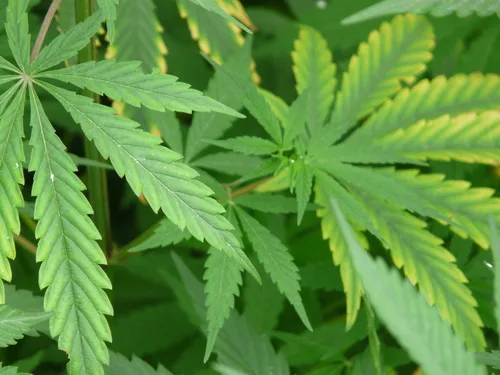
Fiber and industrial plants are the ones green influencers skip because Instagram hates coveralls — kenaf, hemp (where legal), sisal, henequen, cotton, flax, ramie, and oil crops that double as lubricants and soaps. In permaculture they are biomass, rope, mulch, and sometimes animal feed, not just craft-fair lanyards. Most fiber giants want full sun and serious square footage — shade makes weak stems. Water ranges from dryland agaves to thirsty bast fibers — read the actual species sheet. Soil: deep tilth helps root crops and bast quality; compaction yields sad string. Species-specific — seeds for annual bast fibers, pups for agaves, rhizomes for some canes. Processing is the hidden labor: retting, decortication, and drying are not "low maintenance," they are honest work. Bast fibers: harvest stems at bloom or just before for best fiber length -- species sheets beat one rule. Seed crops: combine or thresh when moisture hits the storage-safe window for that grain -- mold is not a preservative strategy. Agave and bromeliad fiber: strip mature leaves after documented years in ground -- safety gear for sap is non-optional.
Permaculture Functions
- Animal Fodder: Kenaf leaf meal and pressed hemp seed cake enter ruminant rations in research programs -- where bast acres yield more tonnage than the grain fraction on the same stalk row in warm climates.
- Mulcher: Post-retting hemp and kenaf bagasse chips into hot compost layers beside manure before bedding goes anaerobic -- returning cellulose carbon that field retting piles would otherwise truck off-site.
- Erosion Control: Deep-rooted perennial hemp and dense sisal clamps hold road cuts -- where annual cotton would expose subsoil right after defoliation harvest strips roots shallow on the same slope class.
- Edible: Flax linseed and cottonseed oil pressings still carry food-grade fat and protein side streams -- once solvent profiles and state feed laws match whatever you plan to pour into hog rations or pantry jars.
Companion Planting
- Growing restricted species where law and HOA intersect badly
- Underestimating processing labor — romance dies at the retting tub
- Pollinator strips
Threats & Pressure