About
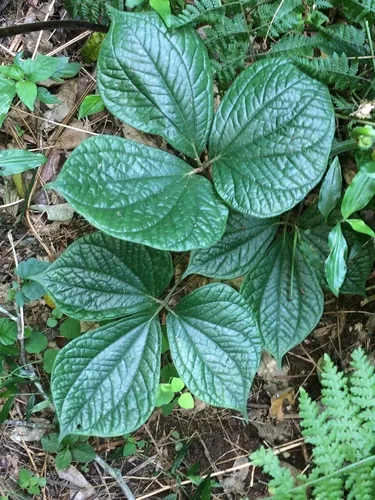
Desert yam (*Ipomoea costata*) is a warm-climate trailing vine from arid Australia, grown for starchy tubers and as a tough ornamental ground cover on lean soils. Leaves are variable and often deeply lobed; pink morning-glory flowers appear in favorable seasons. The edible tuber forms deep in sandy or gravelly ground and can reach substantial size over years. In subtropical and tropical Americas it is a novelty crop for frost-free sites with sharp drainage—not a substitute for true *Dioscorea* yams, but a legitimate desert-adapted root for experimental dry gardens. Full sun and very well-drained soil are non-negotiable. Water deeply but rarely; constant moisture invites rot. Humid air is tolerated if soil dries between rains—raised beds and coarse mulch help. Stem cuttings: Root nodal cuttings in sand during warm weather; keep barely moist until new growth firms. Tuber pieces: In spring, plant chunks with eyes in deep, loose media like sand mixed with compost, mimicking natural wash-deposits. Harvest mature tubers after several seasons of growth or when vines die back in a cool snap (rare in tropical Puerto Rico—there, reduce water to signal dormancy). Always positively identify the plant before eating any morning-glory relative; only known *Ipomoea costata* should be consumed.
Permaculture Functions
- Edible: Ipomoea costata forms large starchy tubers in deep sand -- roast or bake like bush potato after positive ID; do not confuse with toxic morning-glory relatives.
- Ground Cover: Trailing stems and lobed leaves shade berms and rock piles -- cutting evaporation on xeric experimental beds.
- Erosion Control: Deep tuber and nodal rooting hold gravelly slopes -- where moisture comes as rare deep soak.
- Ornamental: Pink morning-glory flowers and variable lobed foliage suit trellised xeric displays -- with sharp drainage.
Companion Planting
- Sweet Potato
Threats & Pressure