About
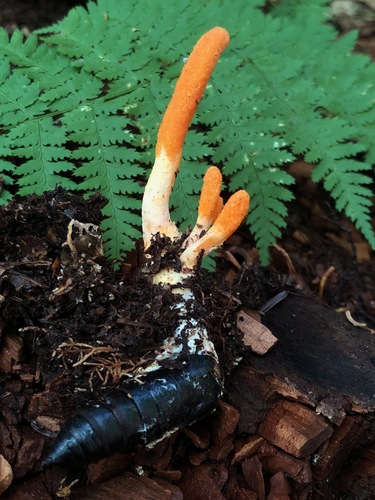
Cordyceps is the poster child for weird fungal life cycles — wild forms parasitize insects; cultivated Cordyceps militaris runs on sterile grain, rice, or sawdust formulas in filtered-air rooms, not on your basil. subtropical and tropical Americas outdoor "hosts" are not a beginner project unless you enjoy mold cosplay. If you want fruiting bodies, buy cultures from people who know sterile technique and expect lab-or-closet energy, not a back-porch trellis. ☀️💧 Sun and Water: - Indoor: indirect light or dark colonization phase depending on stage; follow strain instructions. - High humidity for pinning, then dial back to reduce bacterial slime. - Clean air and hygiene matter more than moon phases. ✂️ Propagation: - Liquid culture or agar to grain to fruiting substrate — not division like a daylily. - Do not import wild insect mummies; that is how you get regrets.
Permaculture Functions
- Edible: Cultivated militaris is used like other gourmet mushrooms when grown
- cleanly.
- Medicinal: Wild hype exceeds most people's evidence folder; cultivated material
- is at least consistent.
Cordyceps host is really \"Cordyceps workflow\" — minus the Instagram mysticism:
Practitioner Notes
- Sterility is the whole job—open-air rice jars grow colorful mold, not commerce-grade fruiting bodies.
- Larvae or grain spawn timing drives morphology—rushing pinning before full colonization yields stunted clubs.
- CO₂ and humidity swing triggers pinning in tents—log parameters or you cannot repeat good flushes.
- Gnat larvae chew mycelium in wet substrate—yellow sticky cards plus top-dry cycles beat drowning pots in kindness.
Companion Planting
- None documented
- Open-field cultivation fantasies