About
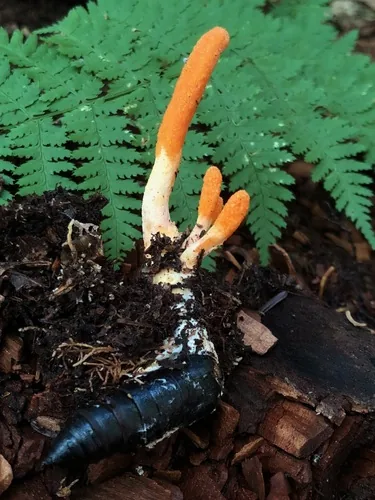
Cordyceps militaris is the cultivated species — not the cinematic zombie-ant fungus (that is Ophiocordyceps unilateralis), though the genus earns its reputation for strange life cycles. Wild C. militaris parasitizes moth and butterfly pupae; cultivated production skips the insect entirely and runs on sterile grain or rice substrate in filtered-air grow rooms. This is not a back-porch trellis crop. Subtropical outdoor cultivation is not viable for consistent fruiting bodies; if you want the orange clubs, buy cultures from experienced labs and expect closet-to-tent energy, not garden bed simplicity. Indoor cultivation: dark or indirect light during colonization, then introduce diffuse light to trigger pinning. High humidity (85-95%) for pinning; reduce slightly during fruiting to limit bacterial contamination. Fresh air exchange is critical — CO₂ accumulation stalls clubs and encourages aborts. Liquid culture or agar to grain spawn to fruiting substrate (rice, grain, or silkworm pupae in commercial operations). Do not attempt to transfer wild insect mummies — contamination risk is high and results are not worth the cost. Wild cordyceps timing is a high-elevation specialist story -- ethical sourcing beats backyard fantasies in most Americas sites. Lab-cultured mycelium products follow processor guidance, not field calendars. If experimenting with insect-host models, containment and identification discipline come before marketing copy.
Permaculture Functions
- Medicinal: Dried stromata enter East Asian materia medica as a lung -- and kidney tonic; lab-cultured Cordyceps militaris is what most supplement bottles actually contain.
- Pest Management: Wild mycelium parasitizes pupating moths -- and beetles, trimming insect populations in forest duff without any garden spraying.
Companion Planting
No companion data yet.
Also mentioned as companions:
- Oak
- Pine
Not yet profiled in PermiePortal
- Open-air cultivation is not viable — contamination rates will be near 100%
- Do not confuse with Ophiocordyceps species; taxonomy has shifted significantly
- Ophiocordyceps host insects
Threats & Pressure