About
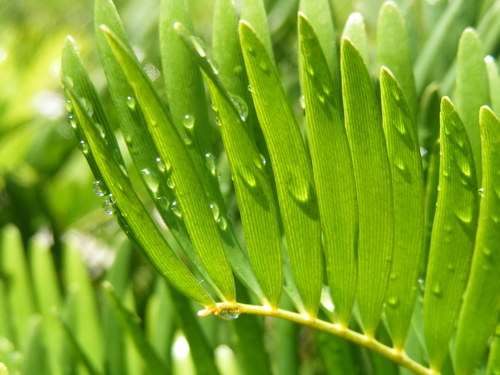
Coontie (Zamia integrifolia) is a low cycad—not a true palm—with stiff pinnate leaves emerging from an underground or partly exposed stem, native to dry pinelands and coastal scrub in the southeastern United States and nearby islands. Clumps slowly widen into tough, fern-like mounds roughly 1–3 feet (0.3–1 m) tall. Historically valued for starchy flour after careful processing, it is now grown mostly for durable landscape texture and as larval food for specialist insects in native plantings. ☀️💧 Sun and Water Requirements: Full sun to bright part shade; deep shade weakens fronds and invites mildew-looking decline. Well-drained, sandy or gravelly soils match its natural sites; tolerates drought once established but looks better with occasional deep watering in prolonged dry spells. Avoid standing water around the caudex. ✂️ Propagation: Sow cleaned seeds in warm, well-drained mix; germination is slow and irregular, which is normal for cycads. Patience beats heat mats that cook the seed. Division of offsets is possible on mature clumps but wounds invite rot if kept wet—use sharp tools and dry callus logic. 🌾 Harvest / Best Use Timing: Landscape value is year-round; new flush appears after warm rains. Traditional flour processing from toxic raw tissues is skilled work—do not experiment from blog recipes. If collecting seed for propagation, wait until sarcotesta is ripe and handle with gloves; wash pulp thoroughly before sowing.
Permaculture Functions
- Edible: Processed starch historically sustained communities; modern use is cultural and specialist, not casual nibbling.
- Ornamental: Architectural fronds read as ancient punctuation in xeric borders and palm-adjacent designs.
- Ground Cover: Low spreading habit fills sunny gaps where turf pretends it belongs.
- Wildlife Attractor: Supports specialized herbivores where ranges overlap; worth the right place, wrong plant elsewhere.
Practitioner Notes
- Every cycad is a chemistry set dressed as furniture—respect the lineage.
- New fronds are soft once, then weaponize—place paths outside the swipe radius.
- Cold snaps brown leaves; wait to prune until you see where new tissue pushes.
- Coontie is slow; design for five-year patience, not instant jungle cosplay.
Companion Planting
- Muhly Grass — fine texture contrast and shared sun without root aggression at the crown
- Yarrow — shallow fibrous roots and flowers for beneficial insects along the bed edge
- Rosemary — dry-footed Mediterranean shrub mirrors drainage needs at the perimeter
- Raw plant tissues contain toxic cycad compounds — serious poisoning risk if unprocessed flour is consumed
- Poor drainage — caudex rots quickly in soggy clay despite the tough-looking leaves
Pest Pressure