About
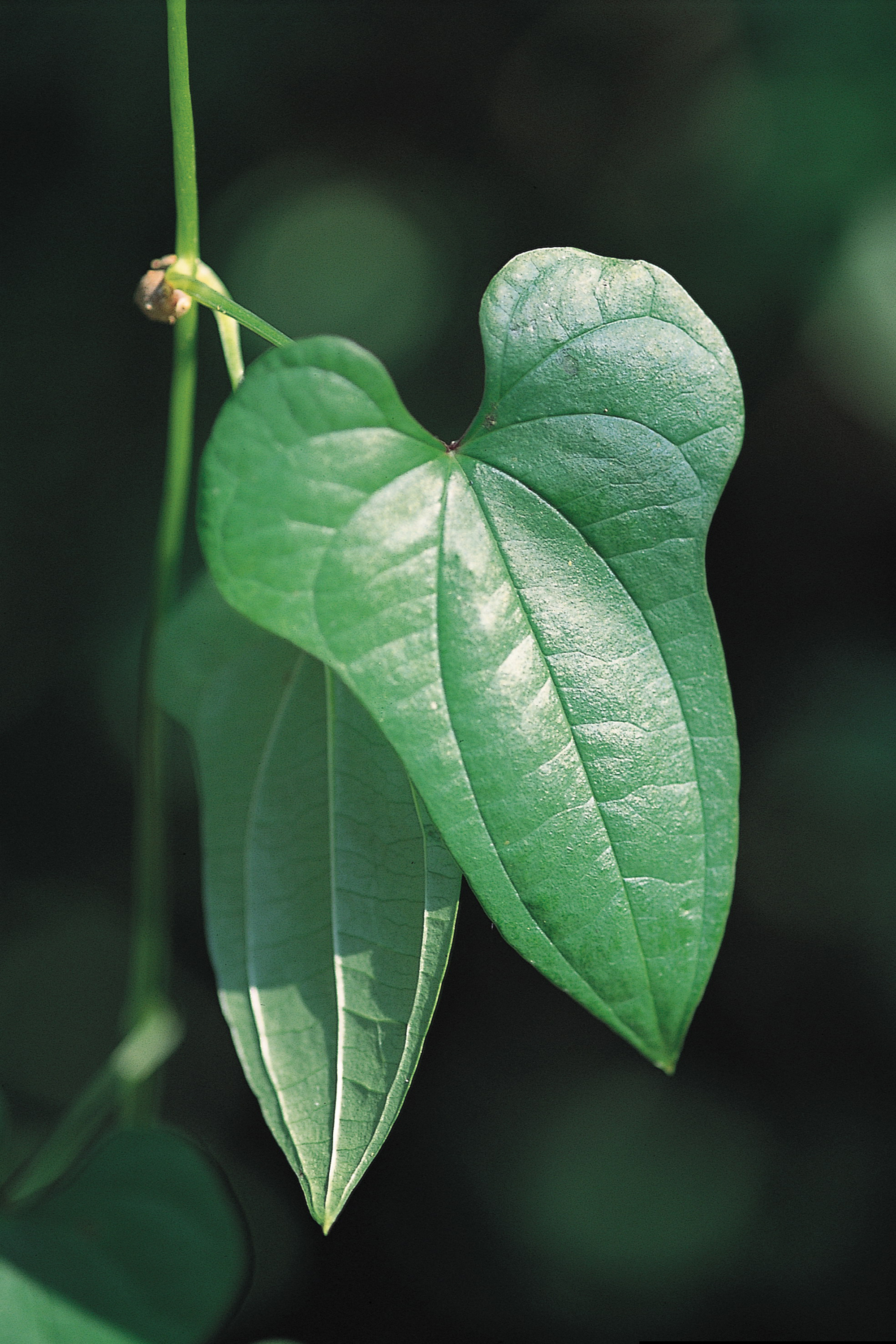
Cinnamon vine is Dioscorea polystachya — air potato-ish bulbils on twining stems and long underground tubers with a faint cinnamon smell when bruised. It is edible and also listed invasive in parts of the eastern U.S. because it smothers edges. subtropical and tropical Americas: treat as a managed crop in defined beds, harvest bulbils before they escape, and never help it invade natural areas. ☀️💧 Sun and Water: - Sun to part shade; tolerates poor soils that challenge fussier crops. - Moderate water; dormant winter tubers dislike constant bog. ✂️ Propagation: - Plant bulbils or tuber pieces in spring. - Heavy harvest reduces spread potential. Permie ethics: productivity without ecosystem vandalism — contain, monitor, eat your responsibilities.
Permaculture Functions
- Edible: Tubers and small bulbils used like yams after ID confirmation.
- Ground Cover: Dense summer vine shades soil — for good or ill.
- Wildlife Attractor: Inconspicuous flowers; ecology impact is mostly competitive.
Controversial calories:
Practitioner Notes
- Same species as “air potato” forms—label plantings if your climate lets bulbils naturalize; cleanup matters.
- Young shoots twist like garlands—harvest tips for stir-fry before woodiness; flavor is mild cucumber-nutty.
- Tubers enlarge over years—deep loose soil grows single monsters; rocky ground forks them into puzzle pieces.
- Aphids vector nothing dramatic here but honeydew sooty mold paints trellis—blast early before black film sets.
Companion Planting
- Comfrey
- Papaya
- Banana
- Pigeon Pea
- Sunflower
- Planting near unmanaged woods or waterways