About
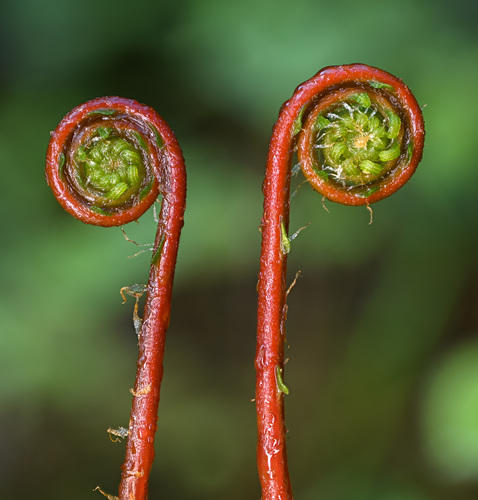
Chain fern (Woodwardia areolata) is a deciduous fern of eastern North American swamps, seeps, and floodplain forests, named for chain-like rows of sori on fertile fronds. Sterile fronds are glossy green and leathery, forming clumps roughly 1–2 feet (30–60 cm) tall in moist shade. It excels in rain gardens, pond margins, and shaded bioswales where soil stays damp but not permanently stagnant. ☀️💧 Sun and Water Requirements: Partial to full shade; tolerates brief morning sun only in cool climates. Requires consistently moist, acidic, organic-rich soil; tolerates seasonal inundation typical of hardwood swamps. Mulch with leaf mold; avoid drying winds over potted specimens. ✂️ Propagation: Divide crowns in early spring before fiddleheads expand. Sow spores on sterile medium under humidity domes—slow but rewarding for fern enthusiasts. Transplant divisions with minimal root disturbance. 🌾 Harvest / Best Use Timing: Garden use is ornamental—avoid overcollecting wild colonies. Cut senescent fronds in late winter for tidy beds if desired; leaving them feeds overwintering insects. Fertile fronds appear more upright—do not confuse with unrelated ferns when labeling collections.
Permaculture Functions
- Ornamental: Glossy fronds give tropical texture in temperate shade gardens.
- Water Retention: Thrives in designed wetlands that buffer storm flows.
- Mulcher: Frond litter builds organic matter in anaerobic-prone soils when managed for diversity.
- Wildlife Attractor: Moist fern mats shelter amphibians and invertebrates at the water’s edge.
Practitioner Notes
- Netted chain sori are the ID cheat code—bring a hand lens and win arguments politely.
- If your “rain garden” is a euphemism for a puddle that vanishes in July, pick a different fern.
- Dividing during fiddlehead emergence is vandalism with good intentions—wait for timing.
- Spore propagation is a patience cult; join willingly or buy divisions from ethical sources.
Companion Planting
- Cinnamon Fern — taller wetland fern neighbor with contrasting fertile stalks
- Royal Fern — larger stature at pond margins; chain fern fills mid-ground pockets
- Skunk Cabbage — early-season wetland drama upstream of chain fern clumps in naturalistic swales
- Drought — rapid browning if rain gardens are built too high and dry
- Full midday sun — scorched fronds except in coolest maritime climates