About
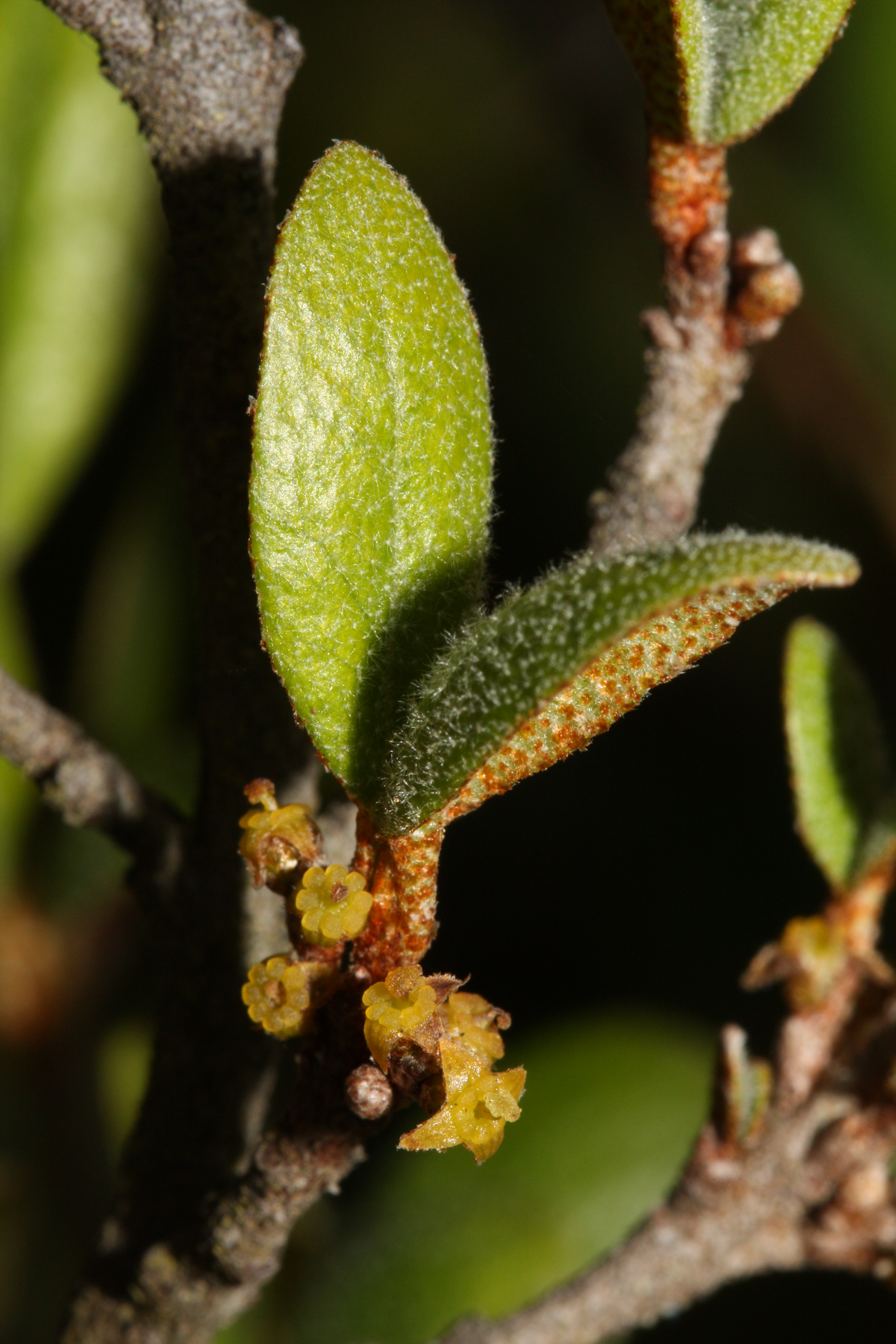
Buffalo berry (Shepherdia argentea) is a thorny deciduous shrub of central North America, named for silvery-scaly leaves and tart red or yellow berries on female plants (dioecious). Mature shrubs often reach 2–4 m (6–13 feet) tall and wide, forming stiff thickets useful for hedges and windbreaks. 🌞💧 Sun and Water Requirements: - Full sun for best fruiting and nitrogen fixation. - Tolerates poor, alkaline, and sandy soils; drought-tolerant once established but fruits better with occasional deep watering. In subtropical and tropical Americas it is marginal in hot, humid lowlands—trial only in breezy, well-drained microclimates or elevated sites; winter-chill needs can limit fruiting in the tropics. - Avoid waterlogged heavy clay. ✂️ Methods to Propagate: - Seeds: Scarify and stratify; germination can be slow and variable—plant extras. - Hardwood cuttings: Take in dormant season and root under mist or in cool greenhouse conditions. 🌾 Harvest / Best Use Timing: - Pick berries when fully colored and slightly soft; tart flavor suits jams and sauces. Plant both male and female clones for fruit; net or accept bird share.
Permaculture Functions
- **Edible**: Berries are sour but usable; supports homestead fruit diversity outside typical orchard crops.
- **Nitrogen Fixer**: Actinorhizal roots enrich surrounding soil for neighboring fruiting shrubs and herbs.
- **Wildlife Attractor**: Berries feed birds; thorny thickets provide cover for beneficial predators.
- **Windbreaker**: Multi-stem habit slows wind on exposed berms, livestock lanes, and zone-4 transitions.
Buffalo berry fits windbreak and poultry-range edges in suitable climates:
Practitioner Notes
- Dioecious—one male can pollinate several females; solo female plants give pretty silver foliage and almost no fruit.
- Berries read tart until fully ripe and soft; under-ripe fruit plus seeds carry saponins that punish casual grazing.
- Suckers from roots—mow strips or plant where a thicket is the design goal, not a tidy foundation bed.
- Thorns are serious—harvest with leather gloves and loppers, not bare-handed optimism beside ladders.
Companion Planting
- Sea Buckthorn
- Alder
- Lupine