About
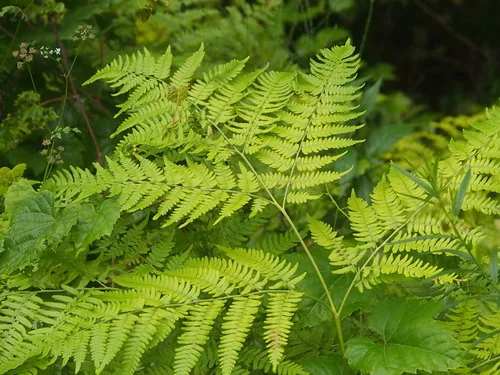
Bracken fern (Pteridium aquilinum) is a cosmopolitan fern of open woodlands, burns, and disturbed ground, spreading by deep rhizomes into colonies that can cover acres. Fronds are large, broadly triangular, and deciduous in cold climates, emerging coiled as fiddleheads that are controversial as food because of carcinogen concerns if poorly prepared. It is a powerful soil occupier—useful for biomass and erosion binding on harsh sites but aggressive near delicate native understories. Full sun to partial shade; tolerates dry, infertile soils where many plants fail once rhizomes establish. Moderate moisture speeds spread; drought slows but rarely kills mature patches. Avoid planting near livestock pastures where curious grazing could cause poisoning. Spores are possible but slow for gardeners; rhizome division in dormancy is practical for intentional containment in designated areas. Eradication, not propagation, is often the management goal—digging must remove deep rhizome pieces. Do not treat as a casual edible—thiaminase and other compounds make fiddleheads a specialist preparation topic. For biomass, cut fronds after senescence for mulch away from livestock feed areas. Monitor spread into adjacent beds each wet season.
Permaculture Functions
- Mulcher: Pteridium aquilinum fronds collapse into a thick brown thatch each fall -- building raw carbon on infertile banks if you rake it away from crop crowns before spring fiddleheads push.
- Biomass: One season can yield tons of green chop per acre on disturbed mineral soil, handy for off-site composting -- where you refuse to import straw.
- Wildlife Attractor: Interlaced fronds shade amphibians and voles at ground level -- while canopy moths use ferns as night roosts in open woodland gaps.
- Erosion Control: Deep rhizome networks gridlock cuts and burn scars faster than seeding annual rye, which matters -- on road prism repairs until slower trees arrive.
Companion Planting
Also mentioned as companions:
- Blackberry
- Pine Seedlings
Not yet profiled in PermiePortal
- Livestock poisoning — contains thiaminase and other toxins; hay contamination is serious
- Human fiddlehead risk — improper preparation and cumulative consumption concerns appear in medical literature
- Aggressive spread — rhizomes cross under paths; use barriers where diversity is prioritized