About
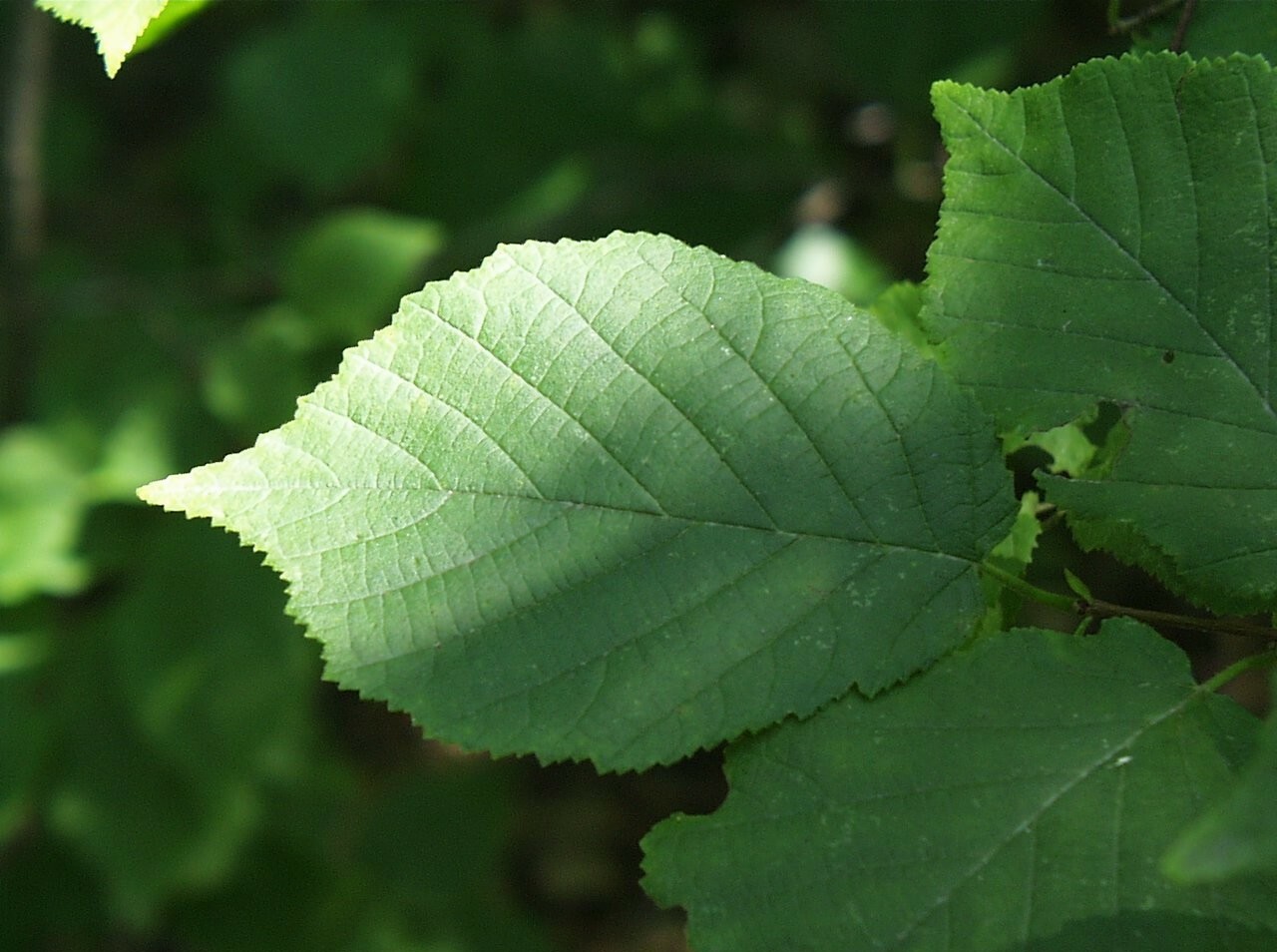
American filbert (Corylus americana) is the same species widely called American hazelnut: a suckering deciduous shrub of eastern and central North America that forms clumps roughly 8–16 feet (2.5–5 m) tall, with softly hairy leaves and long pale catkins in late winter to early spring. Small nuts hide in leafy husks that squirrels treat as a public buffet. It is a backbone plant for hedgerows, windbreaks, and savanna-style food forests where you want native genetics and informal structure rather than a single-trunk orchard tree. ☀️💧 Sun and Water Requirements: Full sun to partial shade; best nut production in high light. Prefers moist, well-drained, fertile loam with steady organic matter; tolerates rocky slopes but fills nuts slowly under drought. Mulch conserves moisture around shallow roots; avoid compacted heavy clay without amendment. ✂️ Propagation: Layer stems that touch soil; sever rooted layers the next dormant season. Sow fresh nuts outdoors in rodent-proof beds or stratify and sow in spring. Transplant suckers with ample fibrous roots in early spring; bare-root large clumps slowly. 🌾 Harvest / Best Use Timing: Gather when husks loosen and nuts can be twisted free, usually in early fall in temperate areas. Dry thoroughly before storage; crack soon for eating or roast to improve flavor and storage stability.
Permaculture Functions
- Edible: Small sweet kernels reward hand processing and home roasting.
- Wildlife Attractor: Catkins, nuts, and thicket cover feed birds, mammals, and insects.
- Windbreaker: Multi-stem clumps slow wind at field edges and livestock lanes.
- Mulcher: Seasonal leaf drop builds fungal mulch under oak-hickory associates.
Practitioner Notes
- “Filbert” versus “hazelnut” is mostly vocabulary—check the Latin tag if you need Oregon-type yields.
- Squirrels do quality control before you do; harvest slightly under-ripe and finish indoors if you must compete.
- Suckers are a feature for erosion control and a bug for orchard geometry—plan your edge accordingly.
- Empty shells often mean weevil larvae, not theft—split a sample before declaring war on mammals.
Companion Planting
- Pawpaw — tolerates light shade under hazel edge; contrasting fruit timing spreads harvest labor
- American Plum — thorny thickets and early bloom diversify wildlife structure beside hazels
- Black Raspberry — fills gaps with fruiting canes without overtopping the shrub layer
- Eastern Filbert Blight (Anisogramma anomala) — serious in some regions; source resistant material when available
- Baking sun on shallow roots without mulch — tip burn and empty shells
Pest Pressure