About
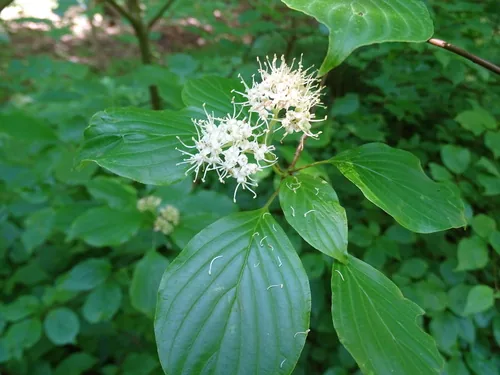
Alternate-leaf dogwood (Cornus alternifolia) is a small deciduous tree of cool-temperate eastern North American forests, unusual among dogwoods for leaves arranged in whorls along tiered branches, creating a pagoda silhouette. Creamy flat-topped flower clusters open in late spring, followed by dark blue drupes on red stalks that birds clean quickly. Plants typically reach 15–25 feet (4.5–8 m) with a broad, layered crown, making them a refined understory anchor in woodland gardens and edge plantings from the Great Lakes to the southern Appalachians. Best in partial shade, especially afternoon shade in warmer end of its range; tolerates full sun only where summers stay mild and soil stays moist. Prefers cool, moist, well-drained soil rich in organic matter; does not tolerate drought or compacted urban pits. Mulch to moderate root temperature and mimic forest floor conditions. Sow cleaned seed after cold-moist stratification 2–4 months, or sow outdoors in fall for natural stratification. Take semi-hardwood cuttings in summer under mist with rooting hormone. Layer low branches where they touch soil; detach rooted stems the following year. Fruit is thin-fleshed and not a primary human crop—value is ecological and ornamental. Prune for structure in late winter; remove crowded inward branches to improve air flow and show tiered form.
Permaculture Functions
- Wildlife Attractor: Cornus alternifolia flat cymes feed bees and beetles in late spring while dark blue drupes on red pedicels fuel thrushes before they migrate -- fruit is not a human dessert crop, so plan for birds to finish the job.
- Ornamental: Whorled tiers of branches create pagoda silhouettes rare among dogwoods -- plant where paths pass underneath so you notice the lacework flowers against sky instead of staring at mulch from across the yard.
- Shade Provider: Open layered crown filters afternoon sun for spicebush, foamflower, and fern understories without the deep shade of sugar maple -- afternoon shade matters at the warm end of zone 7 where dogwood sulks if soils dry.
- Mulcher: Medium textured leaves decay into fungal duff that matches oak-hickory forest floors -- leave drifts under the crown unless mats smother tiny spring ephemerals you value more than tidiness.
Companion Planting
Also mentioned as companions:
- Foamflower
- Red Oak
Not yet profiled in PermiePortal
- Dogwood anthracnose and powdery mildew — improve air flow; avoid overhead sprinklers on foliage
- Prolonged heat without soil moisture — marginal at the warm edge of zone 7