About
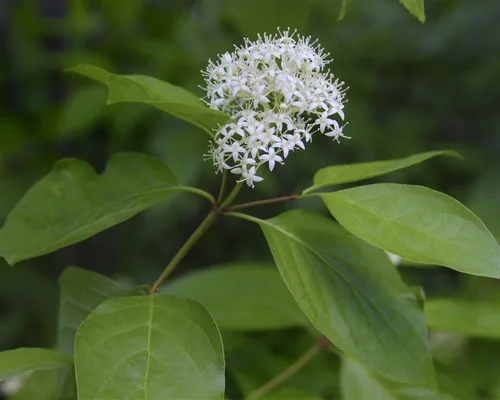
Swamp dogwood (Cornus foemina) is a multi-stemmed deciduous shrub to small tree of wet thickets, streambanks, and swamp margins across the southeastern and eastern United States. It carries opposite leaves, flat white spring flower clusters, and dark blue drupes on red pedicels that read like jewelry for birds. Use it in riparian buffers, pond edges, and rain gardens where many ornamental shrubs rot from wet feet. Full sun to part shade; afternoon shade reduces leaf stress in hottest humid subtropical summers. Likes consistently moist to wet soils with decent drainage during dry spells; tolerates brief flooding. Not a desert plant—avoid xeric berms unless irrigated. Sow cleaned seed after pulp removal; warm-cold stratification cycles improve dogwood germination. Hardwood cuttings taken in late fall can root in humid sand. Layer low branches touching moist soil to start clonal thickets. Fruit is technically edible but mealy and seedy—leave for birds. Prune crossing stems in late winter for airflow; rejuvenate old thickets by removing oldest canes at ground level after fruiting season ends.
Permaculture Functions
- Wildlife Attractor: Cornus foemina cobalt berries on lipstick stems feed migrating thrushes along blackwater ditches -- while flat white cymes pull syrphids in late spring.
- Erosion Control: Fibrous mats lock sandy loam on river elbows that flood monthly -- without washing dogwood crowns downstream.
- Border Plant: Tall multistem thickets veil pond equipment sheds yet stay clump-forming -- unlike running rose hybrids.
- Ornamental: Clean opposite leaves paired with crayon-red pedicels give designers wetland color -- extends seasonal interest past goldenrod weeks into late fall.
Companion Planting
- Dogwood anthracnose complexes — improve airflow, avoid wetting foliage on schedules, select healthy planting stock
- Deer pressure — young stems may be browsed; cage until woody