About
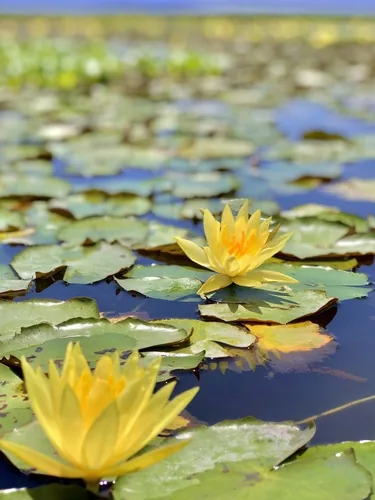
Yellow water lily (Nymphaea mexicana) is a tropical to subtropical aquatic perennial with floating round leaves and bright yellow flowers held above the water on long peduncles. Plants spread by rhizomes through shallow ponds and constructed water gardens, providing shade that moderates algae and cover for fish and invertebrates. Some cultures use plant parts in traditional foods—verify safety, water quality, and regulations before harvesting. Full sun for maximum flowering; too much shade reduces bud count. Still, shallow freshwater over rich bottom muck—typically 6–24 inches (15–60 cm) of water above rhizomes in warm months—is the basic contract. Avoid moving water so fast it tears leaves; avoid saltwater. Divide rhizomes when water warms; anchor sections in containers for controlled ponds. Sow seed only where local rules allow collection and sale. Ornamental use is primary—edible traditions vary by culture and must be researched carefully. Peak bloom tracks heat and long days in tropical and subtropical climates.
Permaculture Functions
- Aquatic: Nymphaea mexicana rhizomes creep through shallow muck -- floating pads shade water column and intercept algae before it starts.
- Ornamental: Bright yellow cups held above pads read tropical even in small tubs -- containerize if you fear rhizome coups across the whole liner.
- Wildlife Attractor: Beetles pollinate night-opening flowers; fish and tadpoles shelter under pads -- dragonflies lay on stems.
- Edible: Some Mexican traditions use starchy rhizome or seed after careful prep -- verify water quality upstream; urban ponds are not your pantry.
Companion Planting
- Invasive potential in sensitive wetlands—check regulations before introducing outside native range
- Water quality — edible use requires knowing what upstream landowners apply