About
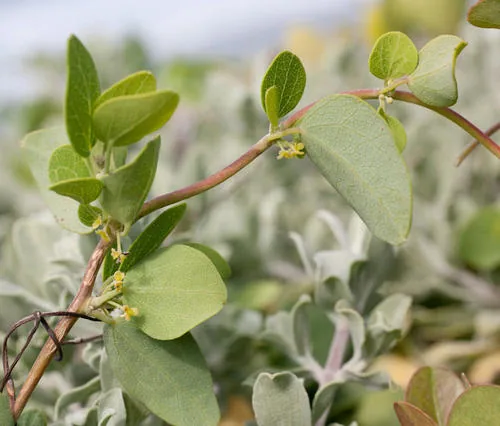
Moonseed vine (Menispermum canadense) is a dioecious woody vine of eastern North American thickets, riverbanks, and woodland edges. Round, peltate leaves resemble wild grape from a distance, but the slender crescent seeds in dark fruit are a toxic look-alike lesson for foragers. It climbs by twining and adds quick vertical biomass where native biodiversity matters more than fruit harvest. Part shade to sun along edges; interior forest gaps with side light work best. Moderate moisture; tolerates seasonal wet feet better than prolonged drought on sandy banks. Average to rich soil; mulch base to keep roots cool in hot summers. Seeds: cold stratify several months; sow in deep pots—seedlings establish slowly. Semi-hardwood cuttings in summer under humidity; rooting is uneven but possible. Transplant small plants in spring; provide trellis, shrub, or deadwood for support. Fruit is not a human food; it is toxic and easily confused with small wild grapes. Cut back excessive growth in late winter to direct energy into fruit for birds if managing habitat. Document male and female plants if you want berries—both are needed for pollination.
Permaculture Functions
- Wildlife Attractor: Dark drupes feed migrating songbirds that can handle Menispermum toxicity; foliage supports specialist Lepidoptera in eastern woodland-edge food webs -- plant both sexes if you want fruit on dioecious vines.
- Ornamental: Nearly round peltate leaves and quick twining growth turn pergolas and split-rail fences into living green screens -- teach ID beside true grapes because crescent moonseed pits differ from grape seeds under magnification.
- Medicinal: Berberine-class alkaloids drove historic indigenous use of roots and stems for documented protocols -- modern self-experimentation is a bad trade because fruit is toxic and easily confused with small wild grapes.
- Shade Provider: Summer leaf canopy on overhead lattice cuts glare on patios and west windows while roots stay in cooler edge soils -- cut hard in late winter if you need to redirect energy toward fruit for birds.
Companion Planting
- Fruit and other parts toxic; can be mistaken for wild grapes